TMJ Dysfunction Treatment in Jacksonville
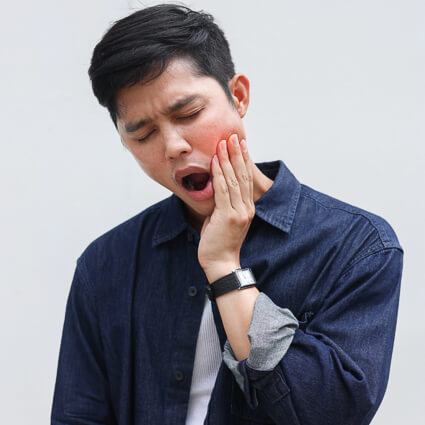 Jaw pain, clicking, locking, and tension that radiates into your head and neck. TMJ dysfunction can make everyday things like eating, talking, and waking up in the morning uncomfortable, and it rarely resolves on its own without addressing what’s driving it.
The Connection Between Your Jaw and Your Spine
The temporomandibular joint is where your jaw meets your skull, and it’s one of the most frequently used joints in the body. When it becomes irritated or mechanically off, the effects don’t stay local. TMJ dysfunction commonly produces referred pain into the temples, ears, neck, and shoulders, and it has a well-established relationship with cervical tension and headaches.
Clenching and grinding, often happening unconsciously during sleep or stress, are among the most common drivers. Over time, surrounding muscles become chronically overloaded, reinforcing a tension cycle that’s difficult to break without direct intervention.
What Puts the Most Strain on the Jaw
TMJ dysfunction rarely develops from a single event. Contributing factors tend to accumulate:
- Bruxism, clenching or grinding during sleep or stress
- Jaw misalignment or an uneven bite
- Upper cervical tension affecting jaw muscle balance
- Previous dental work, trauma, or jaw injury
- Forward head posture increasing load on the jaw and neck
How TMJ Dysfunction Makes Itself Known
Jaw pain and clicking or popping with movement are the most recognizable signs, but many patients also experience ear pain, facial soreness, frequent headaches, and temple tension. Morning jaw stiffness is common, especially when grinding has occurred overnight. Because these symptoms overlap with other conditions, TMJ dysfunction is often attributed to stress without investigating the mechanical cause.
When Jaw Symptoms Deserve a
Closer Look
If jaw pain has been present for more than a few weeks, if it’s affecting your ability to eat comfortably, or if it’s consistently triggering headaches, the jaw and cervical spine are worth evaluating together. Treating one without the other often produces incomplete results.
How We Evaluate and Treat TMJ Dysfunction
Dr. Scheets assesses jaw opening and movement, facial muscle tension, clenching patterns, and the cervical spine to understand how each factor is contributing. Care begins with soft tissue work and myofascial release, followed by gentle upper cervical adjustments and jaw mobilization techniques to restore movement and reduce locking or clicking.
As symptoms improve, care shifts toward posture correction, targeted exercises, and home-care guidance. When dental factors are contributing, our team coordinates with appropriate providers.
Frequently Asked Questions
Is TMJ dysfunction something a chiropractor can treat?
What’s the difference between TMJ pain and a regular headache?
Will I need to see a dentist as well?
Ready to Stop Waking Up With Jaw Pain?
TMJ dysfunction responds well to early, targeted care. The longer the tension pattern goes unaddressed, the more entrenched it becomes. Contact Duval Spine & Rehab today to schedule your evaluation and start working toward real relief.
