Herniated and Bulging Disc Treatment in Jacksonville
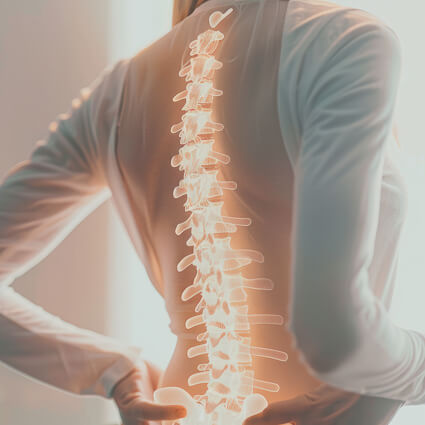 Seeing “disc bulge” or “herniated disc” on an MRI report can sound alarming. But an imaging finding doesn’t always tell the whole story. Some people have disc changes without significant symptoms, while others experience pain, numbness, tingling or weakness.
At Duval Spine & Rehab, we consider imaging findings alongside your symptoms and examination. Neurological and orthopedic testing can help determine whether a disc finding corresponds with nerve involvement.
What’s Happening With the Disc?
Both bulging and herniated discs involve changes to a spinal disc, although the terms describe different findings. Disc problems may develop following an injury or might develop over time.
Factors that may play a role include:
- Acute trauma or rotational overload
- Prolonged sitting and poor posture
- Repetitive work or activity
- Delaying evaluation when symptoms persist
- Self-directed exercises that aggravate an injury
Your daily routine matters. An active patient may need greater focus on core stability and biomechanics, while someone who sits for long periods may also benefit from movement and ergonomic recommendations.
How Flexion Distraction May Be Used
One option available at Duval Spine & Rehab is flexion distraction. This low-force technique uses a specialized table to gently move and traction the spine.
Dr. Scheets describes the technique as creating a negative-pressure or “vacuum-like” effect intended to reduce pressure within the affected disc and can also reduce compression of adjacent nerve roots. Whether it is suitable depends on your examination findings and individual condition.
As symptoms settle, the focus may shift toward movement, spinal stability and exercises you can continue at home. Then you might simply need periodic check-ups with Dr. Sheets to maintain your wellness.
When Is a Surgical Consultation Considered?
Many disc problems may initially be managed conservatively, but certain findings warrant referral for surgical consideration. These may include progressive neurological weakness, muscle atrophy, severe neurological compromise, loss of bowel or bladder control, or severe pain that has not responded to conservative care.
A referral doesn’t automatically mean surgery will be performed. The surgeon determines whether surgery is indicated after evaluating the individual case. Oftentimes the surgeon may choose to co-manage your issues along with your chiropractic physician.
What Does Recovery Look Like?
Disc recovery can take time. The game plan may include in-office care along with exercises and recommendations for daily activity. Depending on the individual case, conservative care may help some patients avoid more invasive procedures.
Frequently Asked Questions
Does an MRI prove my disc is causing my pain?
Can chiropractic care be considered after disc surgery?
Should I exercise with a herniated disc?
Find Out What Your Disc Findings Mean
If you’ve been diagnosed with a bulging or herniated disc, schedule an evaluation at Duval Spine & Rehab to discuss your findings and care options.
