Arthritis Care in Jacksonville
Stiffness that lingers after you get moving, joints that feel less flexible than they used to, or discomfort that keeps returning can all make everyday activities harder. Arthritis may develop gradually, but understanding how the affected joint is functioning can help determine what options may be available.
The Inflammation Behind the Stiffness
Arthritis literally means inflammation of the joint, and there are many types. The degenerative kind seen most often develops when a joint stops moving the way it should. When biomechanics are off, inflammation can develop, and the body’s protective response may gradually calcify and restrict the joint. That protects the area in one sense, but it limits range of motion over time and can eventually lead to joint fusion. The body works on a use-it-or-lose-it principle. If the joint isn’t moving properly, your body will fuse it.
Why Repetitive Load Wears Joints Down
Certain patterns put more strain on joints than others, and many patients don’t notice the effects until stiffness or pain sets in. Several everyday factors can affect how well your joints move and contribute to ongoing strain, including:
- Repetitive rotation from golf, tennis, or similar activities
- Years of physically demanding or load-bearing work
- Old injuries that changed how a joint moves
- Prolonged sitting or standing without movement breaks
- Natural wear that accelerates once motion is lost
For golfers around Deer Creek, Deerwood Country Club, and Cimarrone, years of rotation and loading can add to existing biomechanical problems in the hips and spine.
Stiffness That Doesn’t Fully Let Go
Arthritis often starts as stiffness that eases once you get moving, then creeps back by the end of the day. As it progresses, a joint may become uncomfortable with pressure or feel restricted rather than simply achy.
It’s easy to write this off as normal aging, especially when an X-ray or scan looks unremarkable. But a static image captures one moment, not how the joint moves through three dimensions or functions during everyday activity.
Instrument-Assisted Options for Sensitive Joints
We evaluate how each joint is moving, not just what a picture shows. In earlier stages of degenerative arthritis, some patients may do well with manual adjustments.
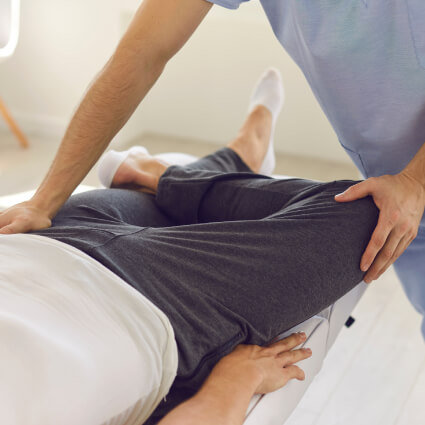
For inflamed or sensitive joints, Dr. Scheets may first work with surrounding soft tissue before using instrument adjusting like ArthroStim®. This instrument allows him to control the amount of pressure delivered while creating an effect similar to a manual adjustment.
For arthritis affecting spinal discs, flexion-distraction and intersegmental traction can help restore movement and encourage blood flow and nutrients into the area. Our chiropractor uses these approaches with the goal of maintaining disc motion and slowing further degeneration where possible.
When the Goal Shifts to Maintaining Function
Frequently Asked Questions
Can I still get chiropractic care if I have arthritis?
Keep Doing More of What You Enjoy
Stop working around a joint that’s been holding you back. Contact us to schedule a chiropractic evaluation.
